Prices
  Request a call back
  Moving Guides
  Free quote
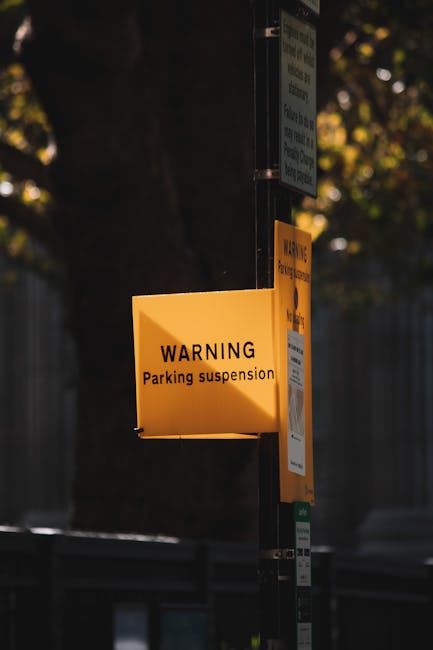
 Street parking suspensions for moves in SW19: permit guide
Posted on 06/07/2026
If you are planning a move in SW19, parking is rarely a small detail. In Wimbledon, South Wimbledon, and the surrounding streets, one badly parked van can slow the whole day down. That is why street parking suspensions for moves in SW19 matter so much: they help you secure space close to the property, reduce delays, and avoid last-minute stress when the removals crew turns up and the road is already full.
This guide explains how suspensions usually work in practice, why they are worth arranging early, and how to think about them alongside loading plans, access issues, and removal timings. It is written for real moving days, not tidy theory. If you are also comparing movers or checking what else to expect from a local team, you may find the wider context in our services overview useful, especially if your move involves more than just a single van and a couple of boxes.
Let's face it: a move in SW19 can be calm and organised, or it can turn into a queue of double-parked vehicles, neighbours waiting to get past, and your sofa stranded on the pavement. A proper parking plan is one of the easiest ways to keep the day on track.

Why Street parking suspensions for moves in SW19: permit guide Matters
SW19 is not one-size-fits-all. Some streets are broad and forgiving; others are narrow, busy, and lined with parked cars from morning to evening. Add school runs, commuters, tradespeople, and weekend visitors, and you can see why moving day parking becomes a real planning issue. A street parking suspension is essentially a temporary restriction that reserves a section of road for a defined purpose. For removals, that purpose is usually to let a vehicle load or unload without competing with everyday parking demand.
For a home move, the difference is obvious. With suspended space near the front door, the team can work more efficiently, carry items shorter distances, and reduce the risk of damage. Without it, you may end up using a distant bay or a back street, which sounds manageable until you are shuttling wardrobes, boxes, and awkward furniture through tight pavements in the rain. Not ideal.
In practical terms, parking arrangements in SW19 are about more than convenience. They affect timing, labour, access, neighbour relations, and even whether your removal vehicle can stop legally where it needs to. If your street is busy, if there are multiple vehicles to unload, or if you are moving from a flat with limited access, this is one of those small decisions that prevents bigger problems later.
If your move sits within a broader local move in Wimbledon or Merton, it can also help to understand the area itself. Our guide to Merton gives useful background on the local streets, while local insights on living in Merton can help you think about access, parking, and day-to-day realities before move day arrives.
How Street parking suspensions for moves in SW19: permit guide Works
In plain English, a parking suspension temporarily removes normal parking rights from a specific bay or stretch of road. That may allow a removals van, lorry, or support vehicle to stop where it would otherwise be restricted. In many areas, the application is handled by the local authority and may require notice, a location description, vehicle details, dates, times, and a reason for the suspension.
The exact process can vary, so it is best not to assume anything. Some streets need clear signage before the suspension starts. Some may have timing windows. Some routes are easier than others because of parking layouts, nearby restrictions, or loading bay rules. You will usually want to identify whether the suspension is needed for loading only, whether you need a full bay closure, and whether the vehicle will be stationary for the whole booking or only during the heaviest part of the move.
There is a small but important distinction here: a permit and a suspension are not always the same thing. A permit may allow certain parking or loading activity, while a suspension may temporarily override normal parking availability in the area. For moving day, people often use both terms loosely, which can cause confusion. The safest approach is to treat this as a parking access plan rather than a single document to chase.
A typical moving-day sequence looks something like this:
- Confirm the property address, street layout, and access constraints.
- Check whether a suspended bay, loading area, or visitor space is needed.
- Request the suspension or parking arrangement with enough lead time.
- Coordinate the start time with the removals crew.
- Make sure the space is clear and the signage is in place if required.
- Keep an eye on timing so the vehicle does not overstay the allowed window.
That sounds straightforward, and often it is. But the trouble usually comes from the details: a wrong street name, unclear dates, a van that arrives early, or a property manager who thought "someone else" had arranged the bay. You can probably guess how that ends.
Key Benefits and Practical Advantages
The biggest benefit is control. A street parking suspension gives you a better chance of keeping the vehicle close to the property, which saves time and lowers physical strain on everyone involved. In a flat move, that can be the difference between a tidy two-hour unload and an exhausting stop-start shuffle between the van and the front door.
Here are the main advantages people notice on the day:
- Shorter carrying distances: fewer steps mean less fatigue and fewer handling risks.
- Better timekeeping: the crew can work more predictably if they are not searching for parking.
- Reduced chance of damage: fewer tight turns, fewer doorframes, fewer chances to clip a wall.
- Less friction with neighbours: a planned setup is usually calmer than a van stopping wherever it can fit.
- Cleaner moving-day logistics: loading, parking, and access are all aligned instead of patched together at the last minute.
There is also a softer benefit that people sometimes underestimate: peace of mind. When the parking side is organised, the rest of the move feels more manageable. You stop worrying about where the van will go and can focus on packing, keys, meter readings, and the usual pile of small tasks that somehow appear in the final hour. If you want to see how that broader planning fits into a local move, these Wimbledon street-by-street removal tips are a useful companion read.
Who This Is For and When It Makes Sense
Not every move in SW19 needs a formal parking suspension. A ground-floor flat on a quiet road with off-street access may be fine with a simple loading plan. But if any of the following sound familiar, a suspension or equivalent parking arrangement becomes much more sensible:
- You are moving from or into a terrace on a busy residential road.
- The property is in a flat above ground level and access is tight.
- There is no driveway or private forecourt.
- You expect a larger removals vehicle or a van that needs to sit close to the entrance.
- You are moving during a busy time of day, such as early morning on a weekday or a Saturday when the street fills quickly.
- The property includes bulky items, such as wardrobes, sofas, or a piano.
Student moves, first-time rentals, family house moves, office relocations, and even single-item collections can benefit if the road is awkward. The point is not to overcomplicate the job. The point is to avoid getting trapped by the street itself.
If your move also involves large, delicate, or unusually heavy items, it may be worth looking at specialist help too. For example, piano removals in Merton can require extra access planning, while furniture removals in Merton often benefit from parking that keeps carry distances as short as possible.
Step-by-Step Guidance
Here is a practical way to handle street parking suspensions for a move in SW19 without getting lost in admin.
1. Assess the street properly
Stand outside the property, ideally at the same time of day as your move if possible. Look at how many cars are usually parked there, whether the pavement is wide enough for carrying boxes, and whether there are trees, poles, dropped kerbs, or resident-only bays that could affect positioning. A quick five-minute look can save hours later. Truth be told, a lot of moving-day chaos begins with someone saying, "It should be fine."
2. Decide how much space you need
For some moves, a single bay is enough. For others, especially with larger vehicles or lots of furniture, you may need more than one space or a clear loading stretch. Think about the vehicle length, tail lift if relevant, and whether the team will need a safe line of travel from the front door to the van.
3. Allow enough lead time
Parking applications usually should not be left to the last minute. The earlier you plan, the more likely you are to get the right arrangement and avoid a scramble. This matters even more if your move falls near a busy period, during school holidays, or around a weekend. You do not want to be phoning around on the eve of the move with boxes half-sealed and no parking plan in place.
4. Match the moving schedule to the parking window
Your removal slot and the parking arrangement need to line up. If the van arrives before the space is ready, you lose time. If the parking window starts too late, the crew may need to wait. A good move plan is just a series of small timings that agree with each other. Boring, maybe. Effective, absolutely.
5. Keep documents and contacts to hand
Have the reference details, booking times, and any confirmation messages ready. If someone challenges the space or asks questions on the day, you want quick answers. This is one of those small things that makes you look very organised even if, behind the scenes, you are slightly running on tea and adrenaline.
6. Build in a fallback option
Sometimes the road is busier than expected, or another vehicle occupies the space before you arrive. A fallback plan may be a nearby loading area, an alternative bay, or a slightly earlier arrival to secure the space. If you are using local movers, ask how they usually handle access issues. Many crews have seen it all before.
Expert Tips for Better Results
After enough removals days, a few patterns become obvious. These are the things that tend to help most:
- Book access planning alongside the move: parking, lifting, and van size should be considered together, not separately.
- Be precise with the address: include flat numbers, road names, and any rear-access or side-access details.
- Think about the unloading order: place the heaviest and most awkward items near the front door side of the van loading plan.
- Warn neighbours where helpful: a quick note can prevent surprise and save time if shared access is involved.
- Check weather and road conditions: wet pavements and awkward corners make a long carry even longer.
- Use the right crew size: if you have a parking restriction but a large volume of goods, extra hands can keep the job moving.
There is another practical point. Not every move needs a big vehicle. Sometimes a smaller vehicle or a more flexible service makes more sense in a tight SW19 street. If you are weighing your options, man with a van in Merton and man and van in Merton services can be useful for lighter loads or awkward access, while larger household moves may be better suited to a full removals team.
And yes, sometimes the best tip is to arrive ten minutes earlier than feels necessary. It is a simple habit, but on a London street, those ten minutes can feel like gold.

Common Mistakes to Avoid
Most parking problems during moves are not dramatic. They are just annoying, expensive, and avoidable. Here are the traps we see most often.
- Leaving the application too late: this is the classic one. The move is booked, the boxes are packed, and the parking plan is still "being sorted".
- Guessing the space size: underestimating the area needed for a van is a fast route to stress.
- Forgetting about bay markings or local restrictions: a space that looks usable may not be suitable once the details are checked.
- Not coordinating arrival time: even a confirmed suspension is only useful if the van actually arrives in the right window.
- Ignoring rear or side access: sometimes the front of the property is not the smartest unloading point.
- Assuming the crew can "just manage": they often can, but why make them work against the street if you do not have to?
A small but important habit: write down what was requested, what was confirmed, and for which exact date and time. It sounds basic. It is. But basic things are often the difference between a smooth move and a complicated one.
Tools, Resources and Recommendations
You do not need a cupboard full of specialist kit to manage move-day parking well. But a few practical tools make life easier:
- Simple street photos: take pictures of the road, pavement, and front entrance so the movers can assess access in advance.
- A written move plan: timings, parking arrangements, contact numbers, and item priorities all in one place.
- Boxes labelled by room: when parking is tight, efficient unloading matters even more.
- Measuring tape: useful for checking larger furniture against doorways and van space.
- Protective packing materials: especially if you are carrying items a long way from the van to the property.
If you are still getting the property ready, our packing and boxes guidance can help you get the small stuff under control before moving day arrives. For a fuller sense of what an organised local move can look like, removal services in Merton is worth reading alongside this guide.
One more recommendation: keep a calm, realistic buffer in the schedule. London streets rarely behave exactly as expected. Not always a problem, but it is nice when your plan can absorb a minor delay without everything wobbling.
Law, Compliance, Standards and Best Practice
Any parking suspension or permit-style arrangement should be treated as a compliance matter, not just a convenience. That means using the correct location, observing the times granted, and making sure the vehicle behaves within the rules attached to the space. If your move involves public highway space, loading restrictions, or temporary parking control, accuracy matters.
Best practice usually includes the following:
- checking the exact street and bay details before applying,
- making sure the moving company knows the access plan,
- avoiding overstay beyond the approved window,
- keeping evidence of the arrangement close to hand,
- and using the space only for the purpose agreed.
Because councils and road layouts can differ, it is wise to confirm the current local rules rather than relying on old advice from a neighbour or an online forum. A move in SW19 may seem similar to one next door, but the parking conditions can change from street to street. If you want a broader reminder of how local rules can affect removal jobs, this guide to Merton council rubbish rules, permits and fines is a useful nearby read.
That is the practical standard to aim for: clear information, a clean booking, and no assumptions. Simple enough, though not always as simple as it sounds.
Options, Methods, or Comparison Table
Different moves in SW19 call for different parking approaches. Here is a simple comparison to help you choose what fits best.
| Option | Best for | Pros | Watch out for |
|---|---|---|---|
| Formal parking suspension | Busy streets, larger vehicles, limited access | Closest access, clearer unloading, fewer delays | Needs planning, timing, and correct details |
| Loading-only arrangement | Short unloads, modest volumes, straightforward access | Flexible and often practical | May not suit long or complex moves |
| Nearby legal parking plus carry | Quieter roads or lighter loads | Simple if the road is forgiving | Long carry distances, more time, more strain |
| Smaller van / flexible vehicle plan | Flat moves, student moves, part-loads | More manoeuvrable in tight streets | May require extra trips for larger households |
In many real moves, the best answer is a mixture of these options. A smaller van might make the street easier, while a suspension protects the actual unloading zone. It is not always either/or.
Case Study or Real-World Example
Picture a family moving from a first-floor flat in South Wimbledon on a road where cars are parked tightly on both sides. The access looked fine in photos, but once the removals van arrived, the team realised that there was barely enough space to stop safely without blocking the street. The piano from the living room also needed careful carrying, so leaving the van half a street away would have turned the job into a slow relay.
Instead, the move was handled with a planned parking suspension and a tighter loading schedule. The vehicle parked much closer to the entrance, the heaviest items went first, and the team had a clear route for the stairs and hallway. Nothing magical happened. No miracle. Just less friction.
The result was a calmer day, fewer steps, and no frantic reshuffling of boxes while a neighbour waited to get past. The household had still packed to a deadline - of course they had - but the parking side was one part of the day that did not demand improvisation.
That is the real lesson here. Good parking planning does not make moving glamorous. It just stops the street from becoming the enemy.
Practical Checklist
Use this checklist a few days before the move, then again the evening before.
- Confirm the exact moving address and postcode.
- Check whether the street is narrow, busy, or heavily parked.
- Decide whether a suspension, loading bay, or alternative parking approach is needed.
- Match the vehicle size to the space available.
- Share access details with the removals team.
- Prepare confirmation details and timing information.
- Label any fragile or priority items clearly.
- Keep hallways and entry routes clear.
- Plan for rain, wind, or poor light if the move is early or late.
- Have a fallback option in case the first parking plan fails.
Expert summary: In SW19, a good parking plan is not a luxury. It is part of the move itself. If the van can get close, everything else usually gets easier - the lifting, the timing, the mood, even the neighbour interactions.
If your move is time-sensitive or part of a bigger schedule, it can also help to look at flexible support such as same-day removals in Merton or, for smaller and more adaptable moves, man and van in Merton. The right option depends on the street, the volume, and frankly how much lifting you want to do yourself.
Conclusion
Street parking suspensions for moves in SW19 are one of those planning details that quietly decide whether moving day feels manageable or chaotic. When the van can park close, when the timings line up, and when the street setup is thought through in advance, the whole job becomes easier to control. That matters whether you are moving a studio flat, a family home, or a property full of heavy furniture.
The main idea is simple: do not leave parking as an afterthought. Treat it as part of the move brief, give it enough lead time, and build it into the removal plan from the start. You will save time, reduce stress, and probably spare yourself a few grey hairs. Which, to be fair, is never a bad thing.
Get a free quote today and see how much you can save.